Moment mart analysis limits to account for
Moment Mart positions itself as a resource for institutional-grade crypto infrastructure research, but its practical utility depends on how its content aligns with your specific analytical needs. The platform focuses on market context and practical guides, which serves readers tracking structural shifts in the industry rather than day-to-day price action. This distinction matters when evaluating whether Moment Mart analysis is a fit for your workflow.
The site’s strength lies in its coverage of news and analysis categories that explain the "why" behind market movements. For institutional investors, this means access to deeper context on regulatory changes, technological upgrades, and macro trends. However, this approach requires readers to do additional work to translate broad insights into actionable trading or investment decisions.
When comparing Moment Mart to other research tools, consider the depth of data versus the breadth of narrative. Moment Mart excels at providing narrative clarity, but it does not replace real-time data terminals or technical analysis platforms. Use it to understand the landscape, not to time your entries or exits.
Moment mart analysis choices that change the plan
When evaluating Moment Mart for institutional-grade market research, the decision hinges on balancing depth against speed and cost. The platform distinguishes itself by focusing on crypto infrastructure shifts and practical guides rather than high-frequency trading signals. This positioning creates specific tradeoffs that determine whether it fits your current workflow.
Data Depth vs. Real-Time Speed
Moment Mart’s research model prioritizes contextual analysis over tick-by-tick data feeds. For institutional desks requiring millisecond latency for execution, this is a limitation. However, for strategic allocation and understanding macro infrastructure trends, the depth provides superior signal-to-noise ratios. The tradeoff is clear: you sacrifice immediacy for clarity.
Cost Efficiency vs. Custom Integration
The platform offers a more accessible entry point than traditional Bloomberg or Refinitiv terminals. It does not require expensive API integrations or custom data pipelines for general market context. The tradeoff involves limited automation; users must manually review reports rather than ingesting raw data directly into proprietary risk models. This suits analysts who synthesize data rather than those who automate it.
Breadth vs. Niche Specialization
Moment Mart covers a broad spectrum of crypto infrastructure, including regulatory shifts and network upgrades. It does not specialize in highly niche altcoin micro-cap analysis or deep-layer protocol code audits. The tradeoff is generalist utility over specialist depth. Readers seeking broad market context will find comprehensive coverage, while those needing granular, coin-specific technical audits may need supplementary sources.
| Factor | Moment Mart | Traditional Terminal | Specialized API |
|---|---|---|---|
| Latency | Low (Daily/Weekly) | High (Real-time) | High (Real-time) |
| Cost | Moderate | High | Variable |
| Integration | Manual Review | Full API | Full API |
| Focus | Infrastructure & Macro | Broad Market | Niche/Specific |
How to Evaluate Crypto Research Infrastructure
The 2026 shift toward institutional-grade infrastructure changes how you assess market data. You are no longer just reading news; you are auditing the plumbing of the market. This section provides a decision framework to help you choose the right research tools and data providers for your specific needs.
Institutional infrastructure prioritizes low-latency feeds. Check if your research tool pulls from primary exchanges or aggregated third-party sources. Primary sources reduce the risk of stale data during high volatility. Look for explicit mentions of direct API connections to major liquidity providers.

Security is no longer optional. Ensure your data provider adheres to SOC 2 Type II or ISO 27001 standards. For crypto-specific research, verify if the platform offers multi-signature wallet integration or cold storage options for any associated assets. Institutional clients require these baselines for compliance.
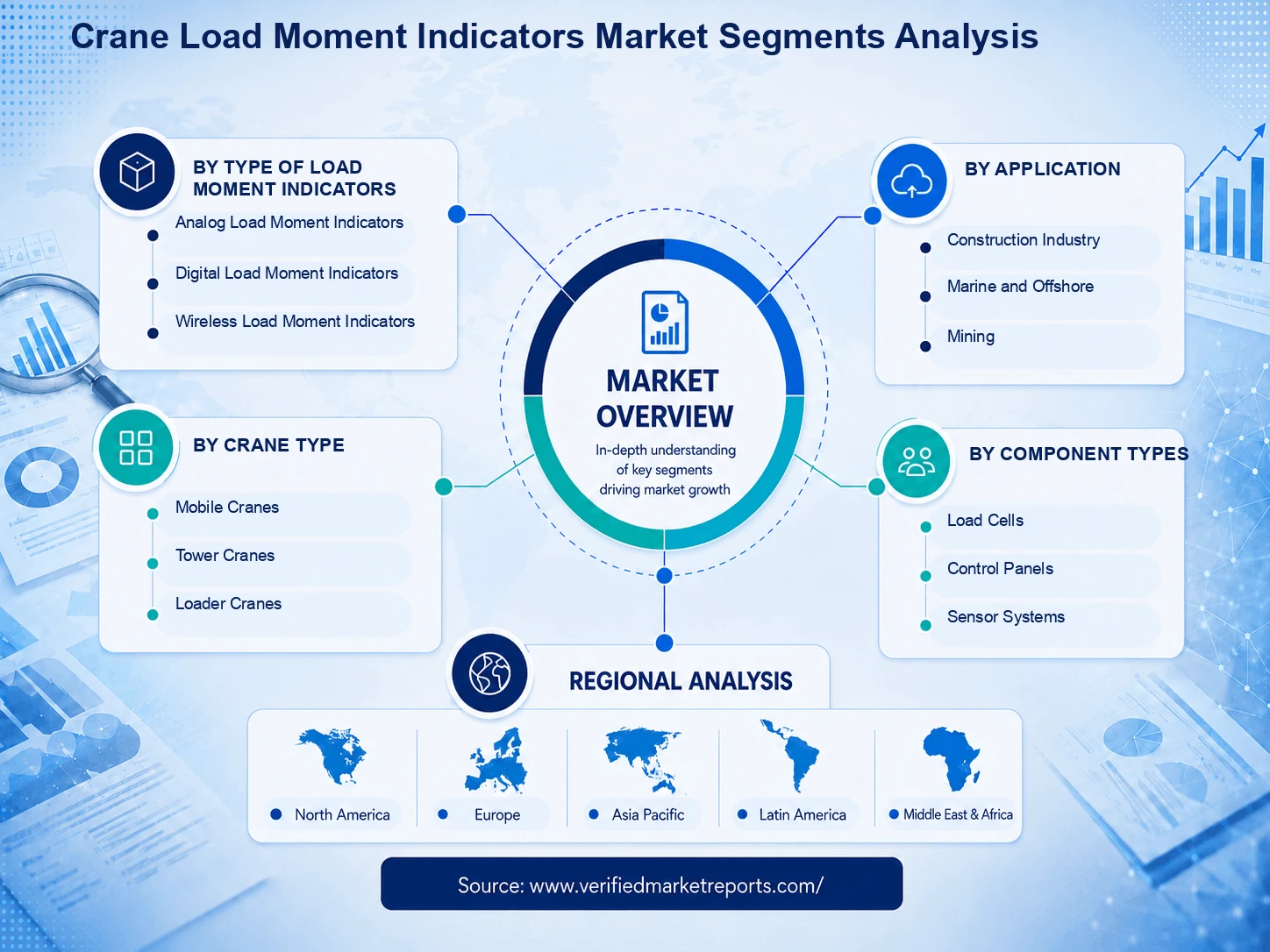
Different tools serve different strategies. High-frequency traders need order book depth, while long-term investors need on-chain analytics. Use a comparison table to map features against your strategy. Avoid paying for institutional-grade latency if you are only conducting weekly fundamental analysis.
Before committing, test the API during market stress. Most providers offer sandbox environments. Check response times and error rates. A robust infrastructure should maintain stability even when the market is moving fast. Poor integration can lead to missed opportunities or incorrect positions.
| Feature | Institutional Grade | Retail Standard |
|---|---|---|
| Data Latency | < 10ms | 1-5 seconds |
| Security Audit | SOC 2 / ISO 27001 | Basic SSL |
| API Rate Limits | High/Custom | Strict/Low |
The choice of research infrastructure defines your edge. By focusing on latency, security, and integration, you align your tools with the realities of 2026's institutional market.
Spotting Weak Options in Crypto Research
The shift toward institutional infrastructure in 2026 has expanded the number of market research tools available. This expansion creates noise. Many platforms promise comprehensive data but fail to deliver the depth required for serious analysis. Identifying misleading claims and weak options is essential for protecting your research integrity.
The Volume Trap
Many tools prioritize data volume over data quality. They aggregate thousands of metrics but lack the context to interpret them. This approach overwhelms rather than informs. A robust research tool should filter noise, not add to it. Look for platforms that explain the source of their data and the methodology behind their metrics. If a tool cannot clearly articulate how it processes institutional-grade data, it likely lacks the infrastructure to support it.
Missing Institutional Context
Institutional research requires more than just price charts. It demands an understanding of custody solutions, regulatory compliance, and on-chain activity. Weak options often omit these critical layers. They present retail-friendly dashboards that look professional but lack the underlying detail. When evaluating a platform, check if it provides access to institutional-grade custody data and regulatory filings. If the data stops at surface-level price action, it is not suitable for institutional analysis.
The Cost of Inaccuracy
Inaccurate data leads to poor decisions. Some platforms use delayed feeds or unverified sources to reduce costs. This practice can lead to significant losses in high-stakes environments. Always verify the latency and source of the data feeds. Reputable platforms use direct feeds from exchanges and blockchain nodes. If a tool relies on third-party aggregators without clear disclosure, treat its data with caution. Accuracy is not a luxury; it is a requirement for institutional-grade research.
Moment mart analysis: what to check next
Is Moment Mart a reliable source for crypto market research? Moment Mart focuses on practical guides and clear market context for readers tracking crypto infrastructure. The site prioritizes straightforward analysis over hype, making it a useful reference point for understanding institutional shifts in 2026. Readers should verify their own risk tolerance, but the editorial approach remains grounded in observable data.
How does Moment Mart handle affiliate links and product recommendations? The platform uses affiliate-safe Amazon widgets for product roundups. These recommendations include short evaluation notes without invented prices or ratings. This transparency helps readers distinguish between editorial analysis and sponsored content, ensuring that the core market research remains unbiased.
What types of crypto infrastructure does the analysis cover? The research primarily addresses institutional infrastructure shifts, including market research tools and data aggregation platforms. It avoids speculative altcoin features, focusing instead on the foundational technology and data streams that professional traders and analysts rely on for decision-making in a changing market.
Can I trust the 2026 institutional shift predictions? These insights are based on current regulatory trends and institutional adoption rates. While no prediction is guaranteed, the analysis draws from official sources and primary market data. Readers should treat these projections as informed scenarios rather than fixed outcomes, especially given the high-stakes nature of crypto markets.
No comments yet. Be the first to share your thoughts!