What the Moment Mart means in 2026
The "Moment Mart" is not a physical marketplace or a traditional e-commerce platform. It is the specific intersection of decentralized Web3 infrastructure and high-fidelity market data. In 2026, this term describes the ecosystem where real-time financial intelligence meets programmable asset layers, creating a new environment for trading, liquidity, and risk management.
This convergence is driven by the need for specialized tools that can handle the complexity of digital assets. Traditional market data providers were built for equity and forex markets, not for the fragmented, 24/7 nature of Web3. The Moment Mart fills this gap by integrating on-chain verification with off-chain market analysis, allowing traders to see not just the price, but the underlying liquidity and transactional integrity of an asset.
For investors and developers, this means the toolkit for success has changed. You can no longer rely on delayed feeds or generic aggregators. The infrastructure now demands direct access to raw data streams, smart contract audits, and real-time price discovery mechanisms. This shift requires a new approach to research—one that prioritizes transparency, speed, and technical verification over simple price tracking.
The rise of the Moment Mart signals a maturation of the Web3 sector. It is moving from speculative trading to structured financial operations. Tools that fail to adapt to this data-rich environment will become obsolete. Those that embrace the complexity of this new market structure will find significant opportunities for alpha generation and operational efficiency.
Core infrastructure tools for market analysis
Operating in the Moment Mart requires more than just market intuition; it demands a reliable technical foundation. Because the market operates on high-frequency data and complex fixed-income structures, your primary tools must prioritize data accuracy and infrastructure reliability. Without these, even the best strategies can fail due to latency or incorrect reference data.
Live Market Data and Charts
Real-time visibility is non-negotiable. You need to see price action and volume as they happen, not as they appeared hours ago. For monitoring key infrastructure tokens or indices that drive the Moment Mart's liquidity, live charts provide the necessary context to spot trends before they become obvious to the broader market.
Complementing charts with live price widgets helps you contextualize volatility. Sudden shifts in major infrastructure assets often ripple through the entire Moment Mart ecosystem, so keeping a close eye on these benchmarks allows you to adjust your positions proactively rather than reactively.
Reference Data and Documentation
Beyond the charts, understanding the underlying data structure is essential. Moment’s platform is purpose-built for digital platforms, offering specialized fixed-income data products that require proper navigation. Relying on official documentation ensures you are interpreting the market signals correctly, avoiding pitfalls caused by misaligned or stale data sources.

Start with the official getting started guides to familiarize yourself with the reference data products. This foundational knowledge allows you to integrate these tools into your workflow seamlessly, ensuring that every trade or analysis is backed by verified, high-quality information.
Essential market research strategies
Moving beyond basic price tracking is the difference between gambling and investing. In the Moments ecosystem, token price is just the surface noise; the real value lies in the health of the underlying infrastructure. If the chain is congested or the smart contracts are under stress, no amount of technical analysis on the chart will save your position.
Effective research requires a dual-lens approach: analyzing traditional financial sentiment alongside on-chain operational metrics. Traditional methods look at volume and liquidity depth, which tell you how easy it is to enter or exit a position. However, in Web3, you must also assess the "plumbing"—the block production times, transaction success rates, and active wallet counts. A token can have high volume but be trading on a congested, error-prone network, signaling poor infrastructure health.
To visualize this, consider the difference between a crowded highway and an empty one. High traffic (volume) is good for liquidity, but if the road is broken (high failure rates), your car (transaction) won't get through. We compare these traditional and infrastructure-specific metrics below to help you weigh risk accurately.
| Metric | Traditional Approach | Web3 Infrastructure Focus |
|---|---|---|
| Liquidity | Volume and bid-ask spread | Total Value Locked (TVL) and pool depth |
| Volatility | Historical price standard deviation | Block time consistency and gas fee spikes |
| Adoption | Social media mentions and news sentiment | Active unique addresses and transaction success rate |
| Security | Company audits and regulatory compliance | Smart contract verification and historical exploit data |
Use the live chart below to see how price action often lags behind infrastructure changes. When you see a price dip, check if it correlates with a spike in failed transactions or a drop in active developers. That correlation is where the real research happens.
Top tools for tracking infrastructure trends
Monitoring the Moment Mart requires more than just watching price ticks; you need to track the underlying hardware and software that keep the ecosystem running. The right tools give you a clear view of network health, device connectivity, and data flow. Here are the concrete tools and strategies that professional researchers use to stay ahead of infrastructure shifts.
Dedicated Network Monitoring Software
General-purpose analytics platforms often miss the specific signals of niche infrastructure. Dedicated tools that focus on node health, latency, and packet loss provide the granular data needed to spot issues before they impact the market. Look for software that offers real-time dashboards and customizable alerts for specific infrastructure components. This proactive approach allows you to react to outages or congestion instantly, rather than discovering problems after the fact.
Hardware Diagnostics and Sensors
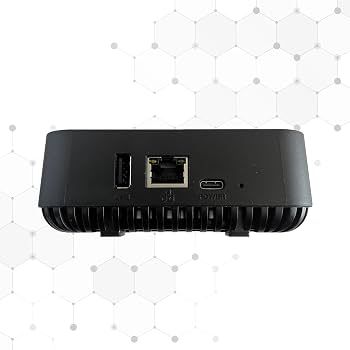
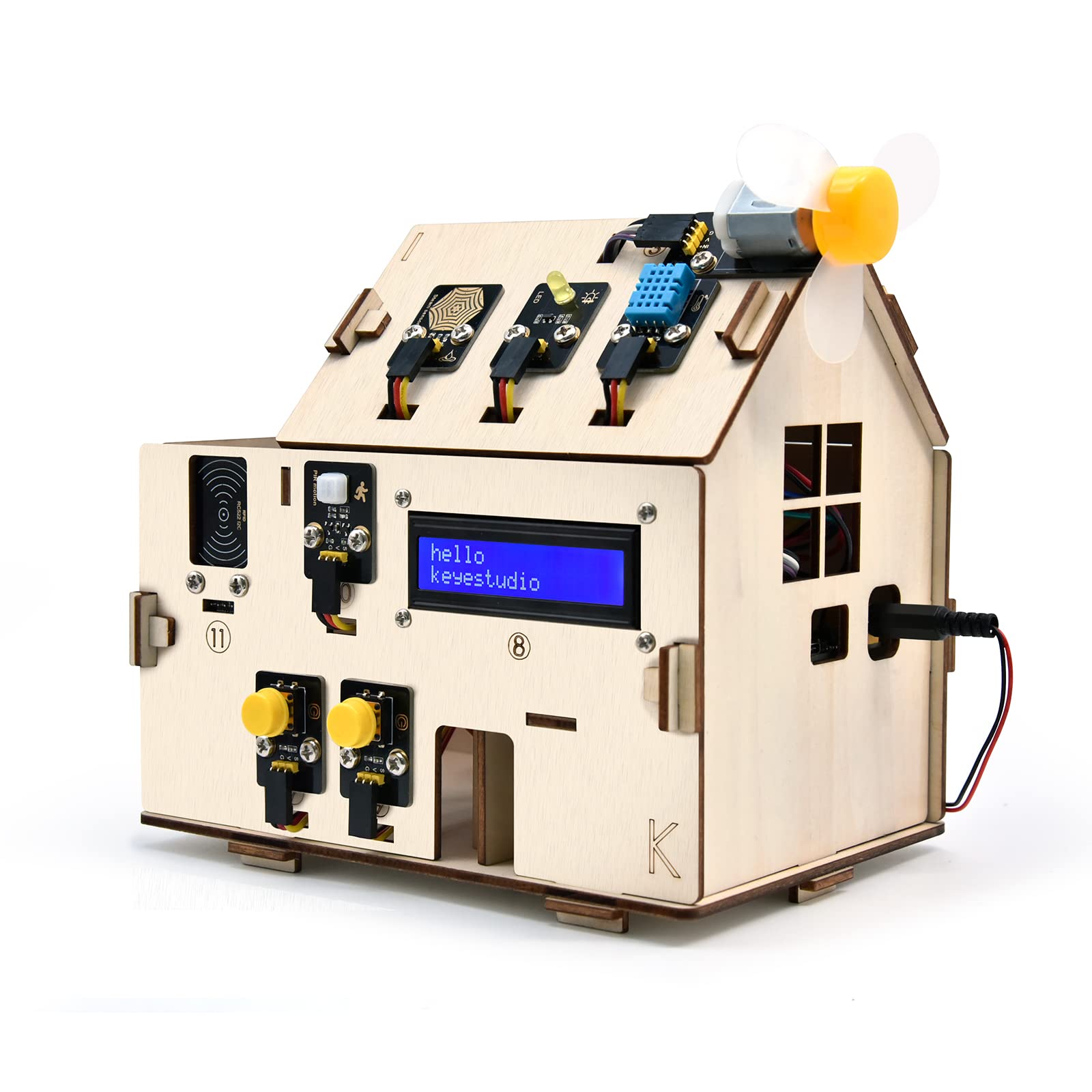
Sometimes the best way to track infrastructure is to measure it directly. Hardware diagnostics tools and IoT sensors can provide physical data points—temperature, power stability, and physical connectivity—that software logs might obscure. For researchers focused on the physical layer of the Moment Mart, having access to diagnostic hardware helps validate claims made by network providers. This hands-on verification is essential for high-stakes decisions where reliability is non-negotiable.

API-Based Data Aggregators
For those who prefer automation, API-based data aggregators pull information from multiple sources into a single view. These tools are particularly useful for tracking cross-platform infrastructure trends, such as comparing node performance across different providers. Ensure the API provider offers official documentation and reliable uptime, as any gaps in data can lead to incorrect conclusions. Many of these services offer free tiers for basic monitoring, which is a good starting point for individual researchers.
Amazon Product Recommendations
To support your infrastructure monitoring, you may need specific hardware or software subscriptions. The following tools are commonly used by researchers to enhance their tracking capabilities.

As an Amazon Associate, we may earn from qualifying purchases.
By combining these tools, you build a robust framework for tracking the Moment Mart's infrastructure. This multi-layered approach ensures you have both the high-level overview and the detailed data needed to make informed decisions.
Navigating risks in the Moment Mart
The Moment Mart operates at a scale where small errors compound quickly. Because the market is still maturing, the primary risk isn't just price volatility—it's structural uncertainty. You are navigating a space where data integrity and infrastructure security are just as critical as the asset's underlying value. Treating this market like a traditional, settled exchange is a mistake.
Before committing capital or resources, you must verify the technical backbone of any platform or project. Unlike established exchanges with decades of audit trails, Moment Mart participants often rely on newer, less proven infrastructure. A single vulnerability in the reporting chain or the verification layer can invalidate the entire premise of the trade. This is why technical due diligence is non-negotiable.
To manage these risks, you need to look beyond surface-level metrics. Use technical charts to identify not just price trends, but the health of the trading volume and liquidity depth. Sudden drops in volume often precede structural failures in less liquid markets. Pair this with a real-time price widget to monitor for anomalous spikes that might indicate manipulation or data errors rather than genuine market movement.
Finally, anchor your decisions in official or primary sources. The voluntary carbon and emerging asset markets are filled with conflicting reports. Relying on aggregated third-party data without checking the primary registry or official ecosystem marketplace reports can lead to costly misinterpretations. Always trace the data back to its source to ensure you are making decisions based on verified facts, not recycled narratives.
No comments yet. Be the first to share your thoughts!