What the Moment Mart actually means
The term "Moment Mart" describes the specific intersection of precise market timing and the underlying infrastructure that supports it. In the post-ETF era, this concept has moved beyond simple speculation. It now refers to the structural layer where timing tools, liquidity mechanisms, and regulatory frameworks converge to create predictable market moments.
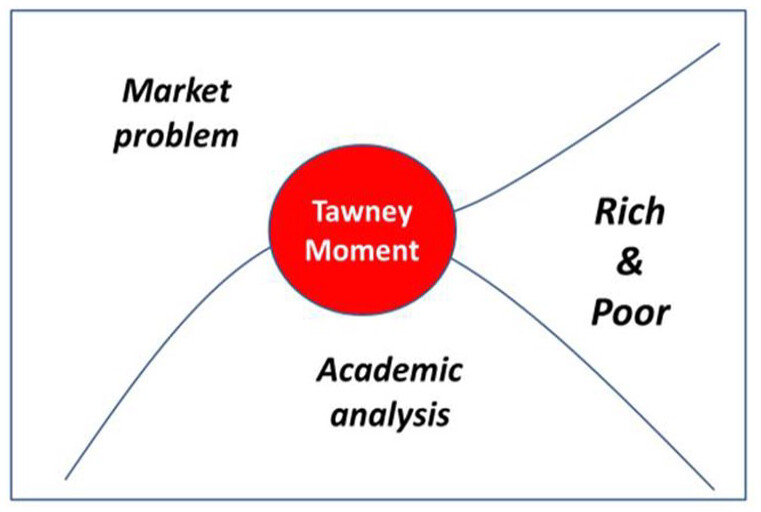
Think of it as a structural lever. Traditional finance often treats market movements as stochastic events—random walks driven by noise. The Moment Mart framework, however, views these moments as structural phenomena. As noted in recent academic discussions on Market Moment Theory, leverage and timing are not just return mechanisms but structural moments that can be analyzed and utilized. This shifts the focus from predicting the unpredictable to managing the infrastructure of predictability.
This distinction matters because it changes how we evaluate crypto assets. It is not about finding a single "moment mart" product. It is about understanding how timing data, such as earnings reactions or economic event impacts, integrates with the blockchain's settlement layer. When infrastructure is robust, these moments become clearer, allowing for more informed decisions rather than reactive trading.
Infrastructure shifts after spot etfs
The approval of spot Bitcoin ETFs did more than just invite retail money into crypto; it forced a fundamental upgrade to the industry's backbone. Before these products existed, the infrastructure was built for speculation and self-custody. Now, it is built for institutional-grade tracking and compliance. This shift has moved the center of gravity from individual wallets to regulated custodians and audited data feeds.
From Self-Custody to Institutional Custody
The most immediate change was the demand for qualified custodians. Institutional investors cannot hold assets in private keys stored on a USB drive. They require custody solutions that are insured, audited, and compliant with strict regulatory standards. This has led to a consolidation of power among a few major financial institutions that can meet these rigorous requirements. The infrastructure is no longer just about moving coins; it is about proving they are there.
The Need for Real-Time Data
With ETFs, the price of Bitcoin is no longer just an average of exchange prices. It is a net asset value (NAV) that must be calculated and reported daily. This requires infrastructure capable of handling high-frequency data from multiple sources to ensure accuracy. This data integrity is now the primary bottleneck for market stability. If the data feed fails, the ETF cannot price correctly, and the market halts.
Regulatory Reporting and Compliance
Spot ETFs operate under the Securities and Exchange Commission (SEC), which means every transaction must be traceable and reportable. This has introduced a layer of compliance infrastructure that was previously unnecessary for pure crypto trading. Custodians and exchanges now must provide detailed reports on ownership, transaction history, and potential market manipulation. This transparency is what allows traditional finance to participate, but it also adds complexity to the underlying technology.
Tools for tracking market moments
Identifying market moments requires more than just watching a ticker; it demands infrastructure that separates noise from signal. The market moves in waves, and specific tools help traders catch the timing of these shifts before they become mainstream narratives. Rather than relying on retrospective analysis, these platforms focus on real-time data aggregation and predictive event tracking.
The most direct application of this concept is the Market Moments app. Available on the App Store, it aggregates upcoming earnings, key economic events, and historical performance metrics into a single dashboard. This allows users to see how markets have reacted to similar events in the past, providing a probabilistic edge rather than a guaranteed outcome. By centralizing these data points, the tool reduces the friction of cross-referencing multiple financial news sources.
However, the concept is not limited to a single application. It includes various dashboards, sentiment trackers, and on-chain analytics tools. The following comparison highlights how different types of infrastructure serve this purpose, from broad market calendars to specialized crypto-focused trackers.
The effectiveness of these tools depends on how you synthesize the data. A "moment" is rarely just one indicator; it is the convergence of volume, sentiment, and external catalysts. Using a combination of event calendars like Market Moments alongside real-time sentiment trackers allows you to anticipate volatility rather than just react to it. This layered approach is the core of modern market infrastructure analysis.
Regulatory context and compliance
Market moment infrastructure operates within a complex web of regulations that define how tools must function in 2026. The two primary frameworks shaping this landscape are the Market Abuse Regulation (MAR) and the Markets in Financial Instruments Directive (MiFID II). These rules are not just bureaucratic hurdles; they are the structural pillars that ensure market integrity and protect participants from manipulation.
MAR has a broader scope than MiFID II, applying to all financial instruments traded within the EU. It specifically targets insider dealing, unlawful disclosure of inside information, and market manipulation. For a platform like Moment Mart, this means every data point and transaction must be transparent and traceable. MiFID II complements this by focusing on investor protection, transparency in trading, and the classification of financial instruments. Together, they create a dual-layered compliance requirement that infrastructure providers must navigate carefully.
The interaction between these regulations is critical. MiFID should be read in conjunction with MAR to fully address market abuse and integrity requirements in the EU financial markets. This means that Moment Mart’s design must account for both the transactional transparency required by MiFID and the behavioral restrictions enforced by MAR. Failure to align with either can result in significant penalties and loss of trust.
For developers and operators, this regulatory context dictates the architecture of the platform. Data logging, user verification, and trade reporting mechanisms must be built-in from the start, not added as an afterthought. The goal is to create a system that is not only functional but also inherently compliant, reducing the risk of regulatory breaches as the market evolves.
Build a 2026 crypto strategy
The Moment Mart framework isn't about chasing hype; it's about identifying infrastructure that holds up when markets turn. To build a resilient strategy for 2026, you need to move beyond simple price tracking and evaluate the tools that support your holdings.
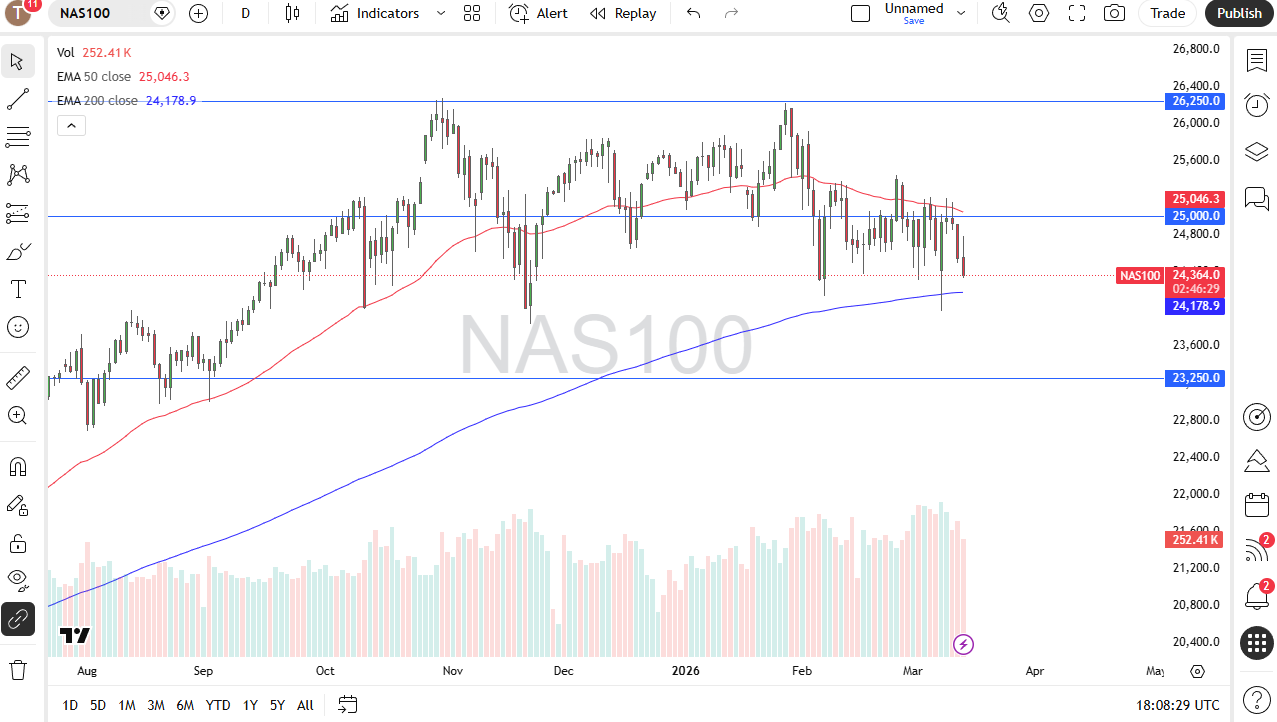
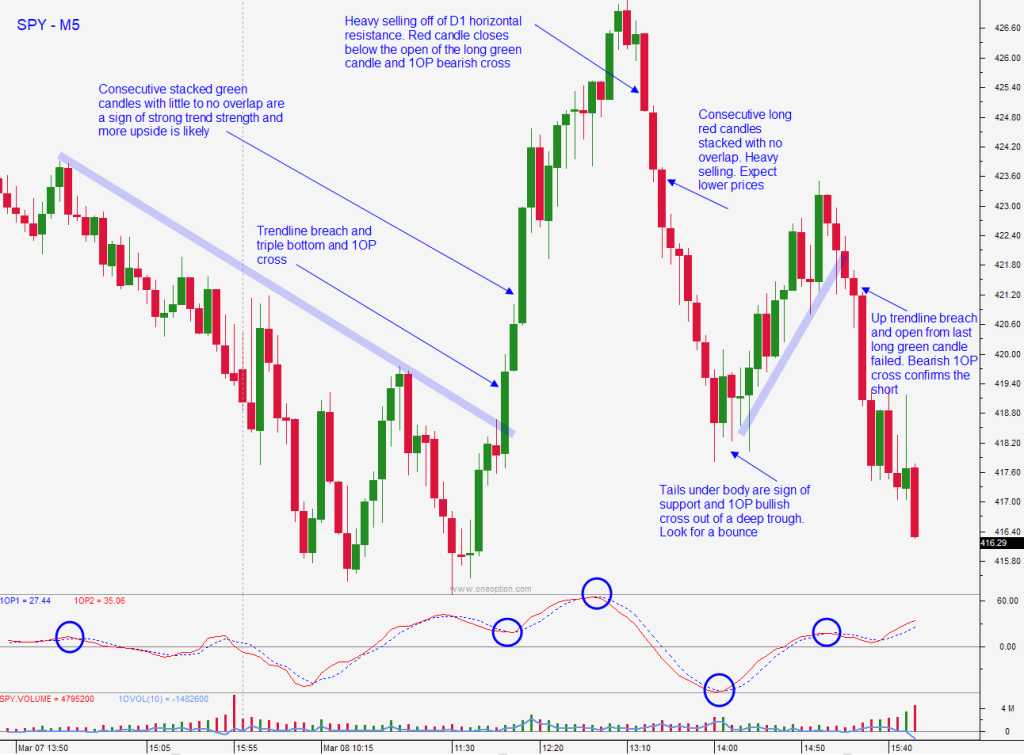
A robust strategy requires constant monitoring of these infrastructure components. By focusing on compliance, data integrity, and risk metrics, you build a foundation that can withstand the volatility of 2026.
Common questions about market moments
Understanding the regulatory landscape is essential for navigating market moments. While the Moment Mart framework focuses on the behavioral and structural mechanics of market events, it operates within strict legal boundaries. Clarifying how these concepts interact with existing EU regulations helps investors distinguish between market behavior analysis and compliance requirements.
No comments yet. Be the first to share your thoughts!