Start with your primary chain
Your crypto infrastructure rests on the Layer 1 (L1) blockchain you choose first. This chain is the foundation. It holds the security model, the native asset, and the base settlement layer. Everything else—bridges, rollups, and sidechains—builds on top of this base. If the foundation is weak, the entire structure is at risk.
Selecting the right L1 requires balancing security, decentralization, and cost. Ethereum remains the standard for institutional-grade security due to its proof-of-stake consensus and massive validator set. Solana offers high throughput but requires different hardware considerations. Choose the chain that aligns with your specific risk tolerance and transaction volume needs. Once you pick your chain, you must configure your wallet and node infrastructure. This involves setting up secure key management, such as a hardware wallet for cold storage, and connecting to a reliable node provider for transaction broadcasting. Do not skip this step. Relying on public, unsecured nodes exposes your infrastructure to latency issues and potential data manipulation.
Treat your L1 setup as the bedrock. It is not just about picking a coin; it is about establishing the trusted environment where all future assets and transactions will reside. A robust L1 configuration prevents costly errors down the line.
Pick a Layer-2 scaling solution
Choosing the right Layer-2 (L2) scaling solution depends on what you value most: speed, cost, or decentralization. Each L2 uses a different approach to bundle transactions off the main Ethereum chain, and these technical differences directly impact your user experience and security model.
Compare L2 Options
Use this comparison to identify which L2 aligns with your specific use case.
| Layer-2 | Finality Time | Avg. Tx Cost | Security Model |
|---|---|---|---|
| Arbitrum One | ~1 week | Low | Fraud Proofs |
| Optimism | ~1 week | Low | Fraud Proofs |
| Base | ~1 week | Very Low | Fraud Proofs |
| Starknet | ~1 day | Low | ZK Proofs |
| zkSync Era | ~1 day | Low | ZK Proofs |
Choose Based on Your Priority
For Speed and Low Cost: ZK-rollups like Starknet and zkSync Era offer faster finality (often within a day) compared to optimistic rollups like Arbitrum or Optimism, which require a ~7-day challenge period for full settlement. If you need transactions to settle quickly, ZK technology is the better choice.
For Ecosystem Maturity: Optimistic rollups (Arbitrum, Optimism, Base) currently host the most decentralized applications (dApps) and liquidity. If you are building or using complex DeFi protocols, the existing infrastructure on these chains is more robust and battle-tested.
For Cost Efficiency: Base, built by Coinbase, often offers the lowest transaction fees due to its optimization for consumer-scale applications. For high-frequency trading or micro-transactions, Base is a strong candidate.
Verify Security Models
Before moving funds, understand the security trade-offs. Optimistic rollups assume transactions are valid unless proven fraudulent, relying on economic incentives and fraud proofs. ZK-rollups use cryptographic proofs to verify validity immediately, offering stronger security guarantees but potentially higher computational costs.
Connect bridges carefully
Bridging assets between Layer 1 and Layer 2 networks is the most vulnerable point in your crypto infrastructure. Unlike swapping tokens on a centralized exchange, bridge transactions rely on smart contracts that are frequently targeted by attackers. A single vulnerability in the bridge’s code can result in the total loss of funds. Treat every bridge connection as a high-stakes operation, not a routine transfer.
The goal is to minimize exposure to unverified code. Before initiating any transfer, verify the bridge’s official source and audit status. Use established, battle-tested bridges rather than new, unaudited alternatives. This section outlines the secure workflow for connecting your assets to the Moment Mart ecosystem.

Never click bridge links from social media or unverified ads. Navigate directly to the official Moment Mart documentation or the bridge’s verified website. Bookmark the correct URL to prevent phishing attacks that mimic legitimate bridge interfaces. Always double-check the domain name for subtle typos.
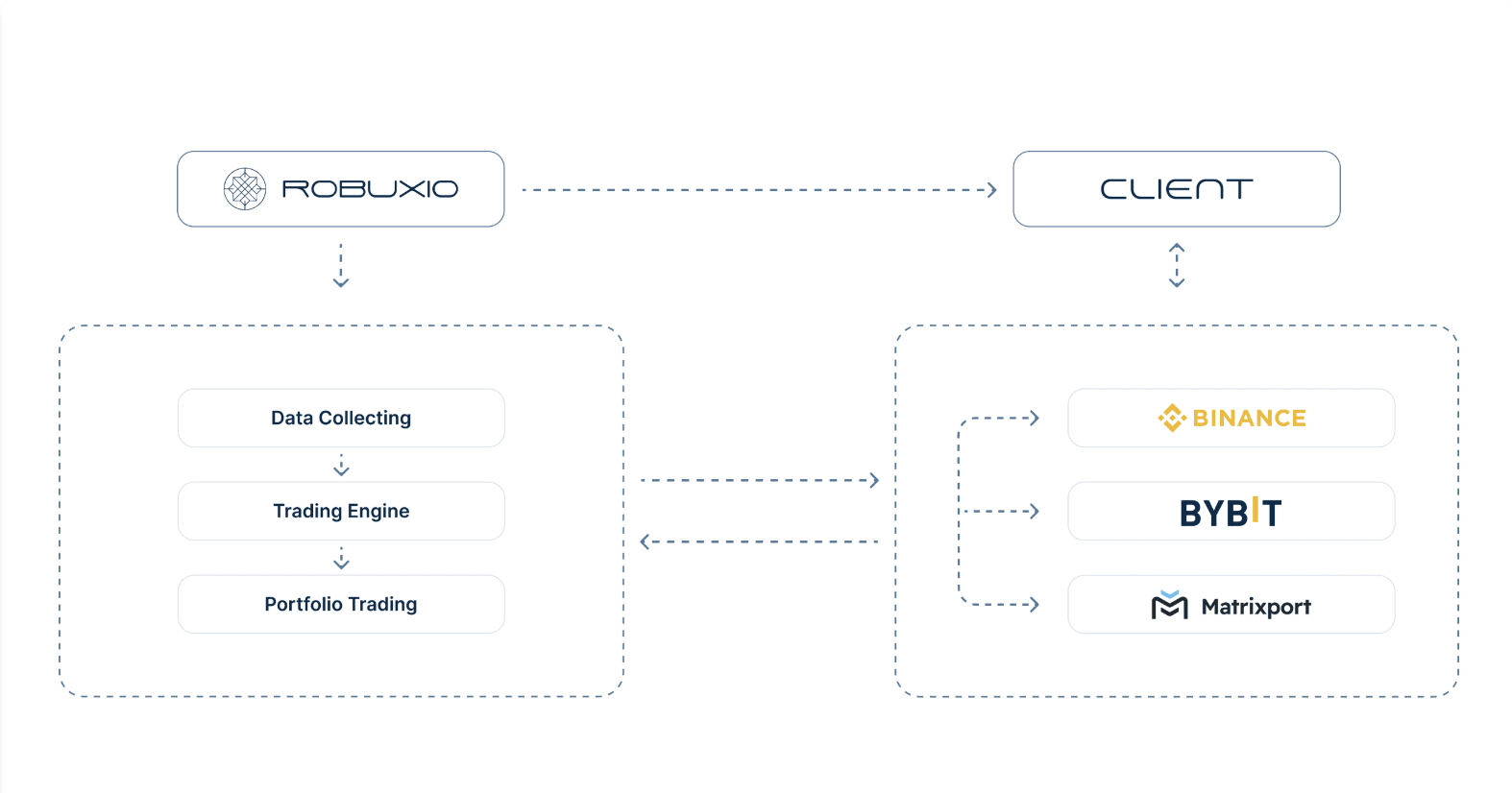
Use a dedicated wallet for bridging operations, separate from your long-term storage or high-value holdings. This limits the damage if a bridge contract is compromised. Ensure your wallet extension is updated to the latest version to patch known security vulnerabilities. Disconnect the wallet from the bridge site after the transaction is confirmed.
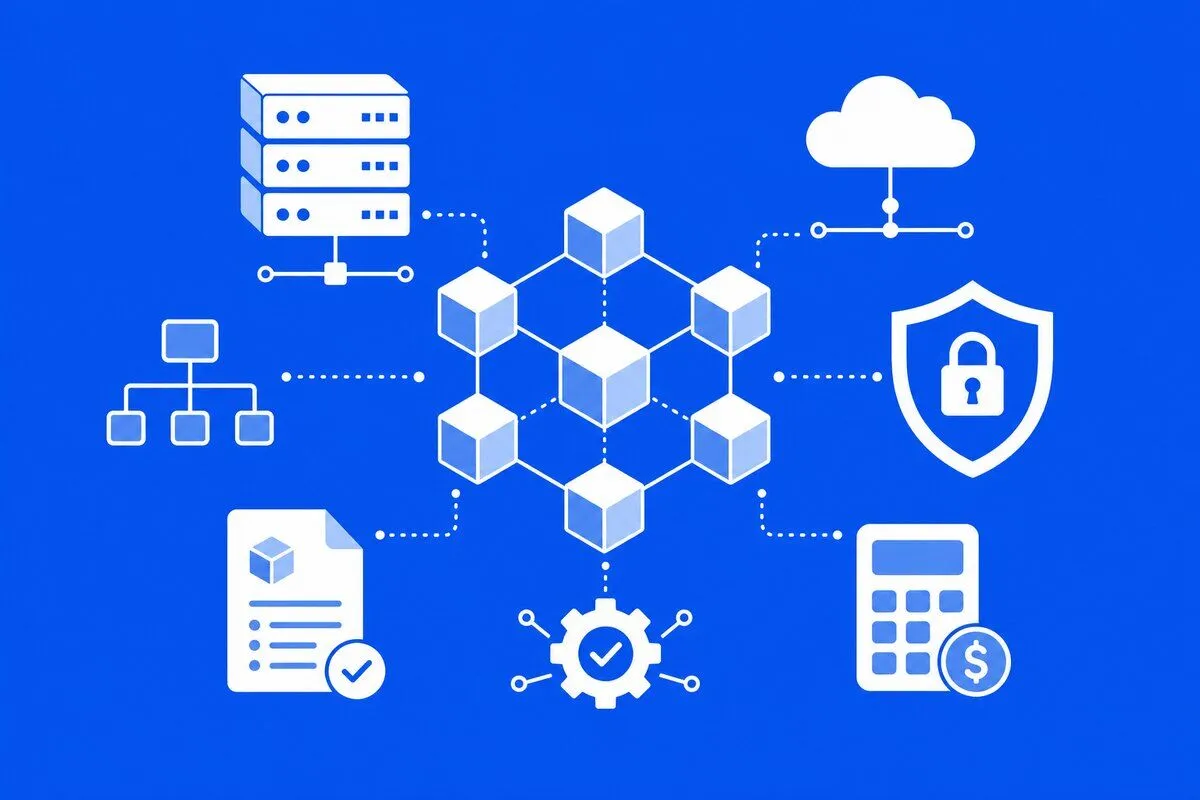
Select the correct source network (e.g., Ethereum) and destination network (e.g., Arbitrum or Optimism). Verify that the token you are bridging is supported on the destination chain. Incorrect network selection can result in permanent loss of funds. Check the estimated gas fees and bridge fees to ensure they align with current market rates.
Review the smart contract permissions requested by the bridge. Only approve the minimum necessary allowance for the token amount you intend to bridge. Confirm the transaction in your wallet and wait for the required number of block confirmations. Do not rush the process; patience prevents costly errors.
After the bridge confirms the transaction, check your wallet on the destination network to ensure the assets have arrived. Use a block explorer to trace the transaction hash if the funds do not appear immediately. Keep a record of the transaction hash for future reference or support requests.
Verify bridge security
Before moving funds, you must audit the bridge’s legitimacy. Crypto bridges are high-value targets for exploits. A single vulnerability can drain the entire liquidity pool. Treat every bridge as a potential risk until proven otherwise.
Start by checking the bridge’s official documentation. Look for a public GitHub repository with active commits. Verify that the smart contracts have been audited by reputable firms. Read the audit reports carefully; look for critical or high-severity findings that remain unfixed. If the bridge lacks a public audit or the code is closed-source, do not use it.
Next, investigate the bridge’s history. Search for past exploits or security incidents. Check if the team responded transparently and if users were reimbursed. A bridge with a history of hacks and no clear recovery plan is too risky. Use tools like Rekt News or DeFi Llama to track security incidents.
Warning: Bridge hacks are frequent and devastating. Only use bridges that are fully audited, open-source, and have a clean security record. Never trust a bridge solely because it is popular.
Finally, verify the bridge’s official channels. Ensure you are interacting with the correct contract addresses. Scammers often create fake bridges with similar names. Cross-reference addresses with the official documentation or trusted aggregators. When in doubt, start with a small test transaction.
Verify your infrastructure
Before you begin trading, run a final pre-flight check. This step ensures your Moment Mart account is active, your wallet is connected to the correct network, and your funds are accessible where you expect them to be.
Start by confirming your Moment Mart account status. Log in and navigate to the dashboard to ensure there are no pending verification flags or security holds. Next, verify your wallet connection. Check that your selected wallet is linked to the correct blockchain network (e.g., Ethereum, Solana, or Bitcoin) and that the address matches your primary holding wallet. Finally, perform a small test transaction. Send a minimal amount to confirm that inbound and outbound transfers work as expected on the current network.
-
Confirm Moment Mart account is active and verified.
-
Ensure wallet is connected to the correct blockchain network.
-
Verify the connected wallet address matches your primary holdings.
-
Execute a small test transaction to confirm fund accessibility.
Common bridge: what to check next
Setting up your crypto infrastructure involves navigating complex bridge mechanics. Understanding the associated risks and costs helps you avoid common pitfalls during the initial setup.
No comments yet. Be the first to share your thoughts!