Set up your market data foundation
Moment Mart Analysis works best as a sequence, not a scramble through settings. Do the minimum first: confirm compatibility, connect the core hardware, update only when needed, and test the result before adding optional features. That order keeps the task understandable and makes failures easier to isolate. After each step, pause long enough for the interface to finish syncing. Many setup problems are timing problems disguised as configuration problems. If the same step fails twice, record the exact error, restart the smallest affected piece, and retry before moving deeper.
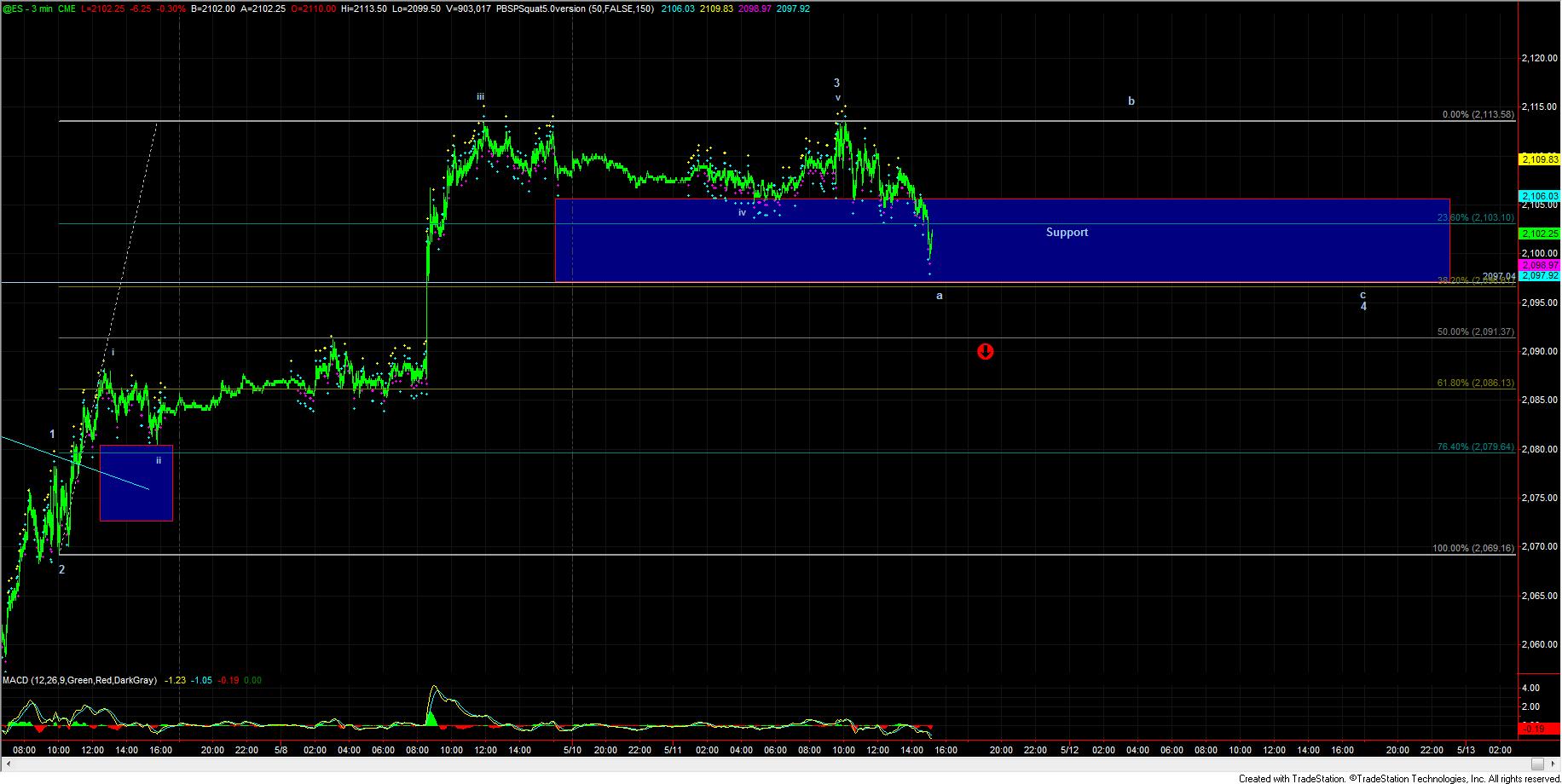
Track real-time asset pricing
Static snapshots of RWA valuations are useless for active trading. You need live data feeds to catch the spread between the underlying asset and its tokenized representation. RWA tokens like ONDO or BUIDL can experience sudden volatility when underlying credit events or interest rate shifts occur off-chain. Waiting for a delayed price update from a secondary aggregator can cost you significant basis points.
Use provider-backed widgets to anchor your analysis. These tools pull directly from exchange order books and liquidity pools, giving you the most accurate view of current market sentiment. A live price widget lets you monitor the RWA token against stablecoins or major fiat pairs in real time. This immediacy is essential for the Moment Mart analysis, as it highlights discrepancies that static charts miss. Beyond the current price, technical context helps you understand the momentum behind the move. A TradingView chart overlay allows you to spot support levels, volume spikes, or breakout patterns that signal a shift in the RWA market’s direction. Integrating this chart into your workflow ensures you aren’t reacting to noise but to confirmed technical structures.
Filter noise from institutional signals
Treat this step as a welfare screen for Moment Mart Analysis. Compare the source, the animal's visible condition, the seller's care knowledge, the paperwork, and the transport plan before you commit. A good purchase path should make the dragon's health easier to verify, not harder. Pause before paying if any part of the chain is unclear. Confirm the exact animal, pickup or shipping timing, heat-pack plan when relevant, return policy, and the supplies you need at home for the first week.
| Factor | What to check | Why it matters |
|---|---|---|
| Fit | Match the option to the primary use case. | A good deal still fails if it does not fit the job. |
| Condition | Verify age, wear, and service history. | Hidden condition issues erase upfront savings. |
| Cost | Compare purchase price with likely upkeep. | The cheapest option is not always the lowest-cost option. |
Avoid common RWA infrastructure pitfalls
The easiest mistake with Moment Mart Analysis is comparing options on the most visible detail while ignoring the day-to-day constraint. A choice can look strong on paper and still fail because it is too hard to maintain, too expensive to repeat, or awkward in the actual setting. Use the same checklist for every option: fit, cost, durability, timing, upkeep, and fallback plan. That keeps the comparison practical instead of drifting into preference alone.
The simplest way to use this section is to write down the real constraint first, compare each option against it, and choose the path that still works outside ideal conditions.
Execute your 2026 RWA strategy
Moment Mart Analysis works best as a clear sequence: define the constraint, compare the realistic options, test the tradeoff, and choose the path with the fewest hidden costs. That order keeps the advice usable instead of decorative. After each step, pause long enough to check whether the recommendation still fits the reader's actual situation. If it depends on perfect timing, unusual access, or a best-case budget, include a simpler fallback.
Frequently asked questions about Moment Mart
Here are specific answers to common questions about using Moment Mart for RWA research.
No comments yet. Be the first to share your thoughts!